Earth Day reminds us that meaningful environmental change often comes from a combination of policy, infrastructure and everyday actions.
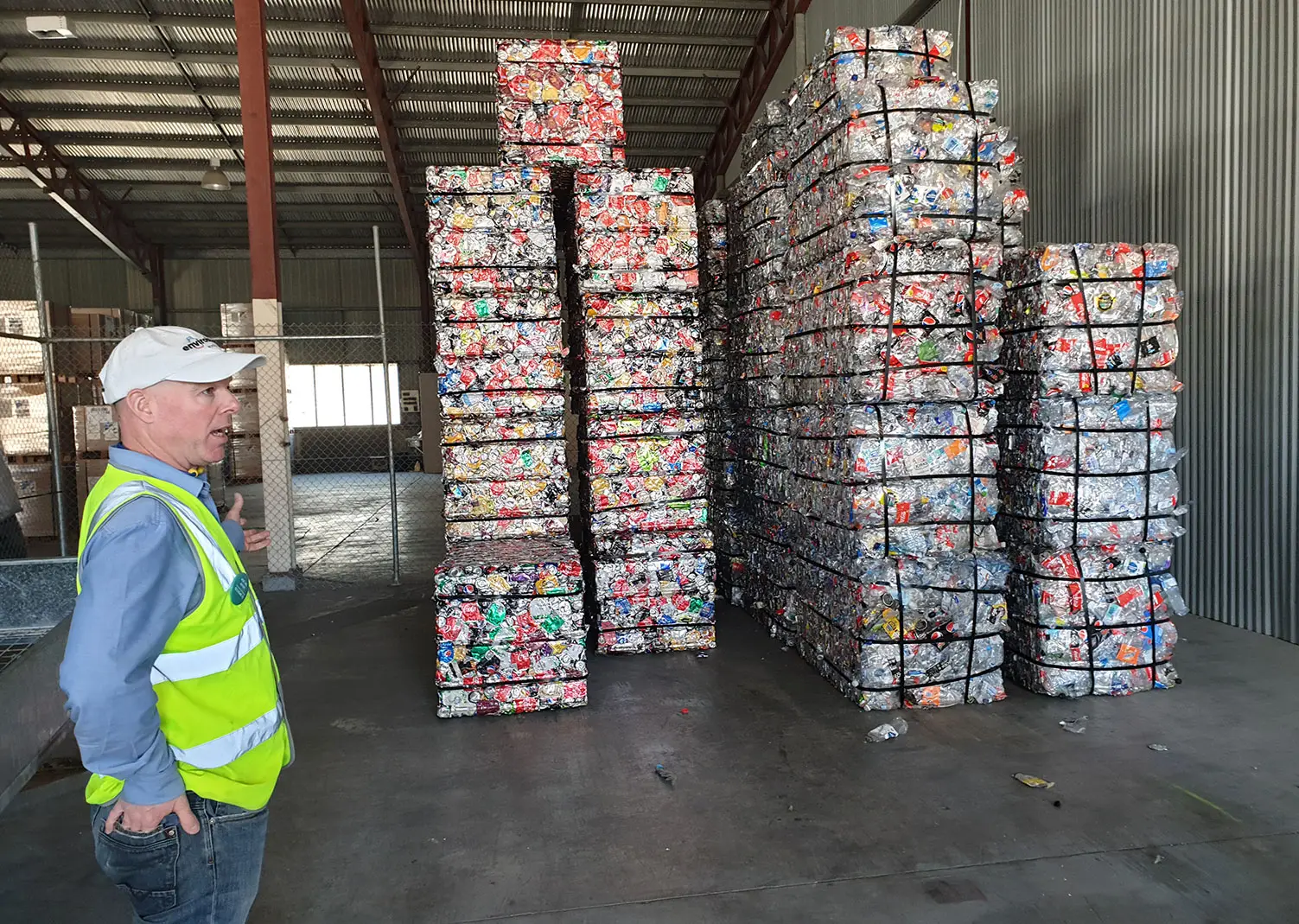
One example of this in Western Australia is Containers for Change, the State’s container deposit scheme that allows eligible beverage containers to be returned for a 10-cent refund. Since its launch in October 2020, the scheme has helped reduce litter and improve recycling rates across the State, while encouraging community participation in environmental initiatives.
Behind the scenes, delivering a statewide recycling network required significant coordination between government, industry and planning professionals.
Rowe Group worked with Western Australia Return Recycle Renew Ltd (WARRRL) and government stakeholders to help establish the planning and legislative framework needed to support the scheme’s rollout.

Coordinating a Statewide Network
A key requirement of the scheme was that refund points would open simultaneously across Western Australia. This meant coordinating approvals across multiple Local Government areas, each with different planning requirements and processes.
Rowe Group provided strategic planning advice across 35 Local Planning Schemes, reviewing proposed locations and assisting with approvals to ensure suitable sites could be established within the required timeframe.
The planning complexity was significant. In some cases, refund points did not neatly fit existing land-use definitions within local planning schemes, creating uncertainty around how applications should be assessed.
Rowe Group worked closely with State and Local Government representatives to help refine the Western Australian Planning Commission Position Statement on Container Deposit Scheme Infrastructure and contributed to amendments to the Planning and Development (Local Planning Schemes) Regulations 2015, helping clarify how these facilities could be approved and delivered efficiently.
The outcome was the successful launch of 198 refund points across Western Australia on 1 October 2020, creating a statewide recycling network that communities could immediately access.

Infrastructure That Enables Environmental Action
For George Hajigabriel, Director at Rowe Group, infrastructure plays a critical role in enabling environmental initiatives to succeed.
“Recycling refund points provide a clear incentive for recycling, leading to reduced waste and a more efficient use of resources in a way that is relatively easy for people and industries to adopt.”
The success of Containers for Change highlights an important principle in environmental planning: sustainable behaviour becomes far more achievable when systems are simple, accessible and integrated into everyday routines.
Since its launch, the impact of the scheme has become increasingly visible.
“In addition to improving resource use, there is a noticeable reduction in container-based litter in public places,” George said.
Lessons for Future Sustainability Initiatives
The rollout of Containers for Change offers lessons for future environmental programs and circular economy initiatives.
While many people support the idea of recycling and resource efficiency, everyday life can make it difficult to adopt new habits.
“Creating a simple framework for people to engage with, without disrupting their daily activities, is critical to the success of any sustainability initiative,” George explained.
By combining clear incentives, accessible infrastructure and coordinated policy frameworks, schemes like Containers for Change demonstrate how environmental programs can achieve meaningful participation at scale.

Small Actions, Collective Impact
The idea that small actions can lead to large outcomes is also reflected within workplaces.
At Rowe Group, initiatives such as waste separation and recycling have been encouraged across the office, helping embed sustainability into everyday routines.
As Olivia, who has helped champion waste separation within the office, explains:
“When sustainability becomes part of everyday routines at work, it reinforces shared responsibility and shows that meaningful change doesn’t only come from large-scale decisions, it also grows from consistent, collective effort.”
The principle behind Containers for Change reflects this same idea: when systems make it easy for people to participate, individual actions can combine to deliver meaningful environmental outcomes.
Planning for a More Sustainable Future
As Western Australia continues to grow, planning will play an increasingly important role in supporting environmental initiatives that encourage responsible resource use.
The success of Containers for Change demonstrates how thoughtful policy, coordinated planning and accessible infrastructure can empower communities to take part in protecting the environment.
And while the impact may begin with something as simple as returning an empty bottle, the collective result is a more sustainable future for everyone.